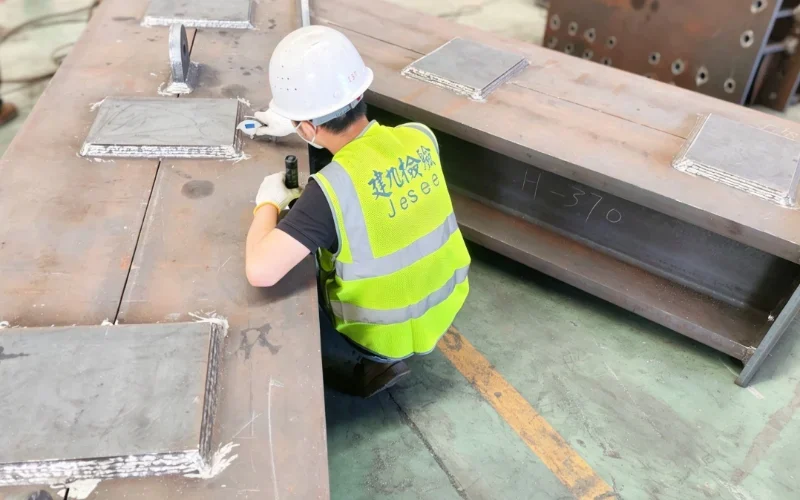
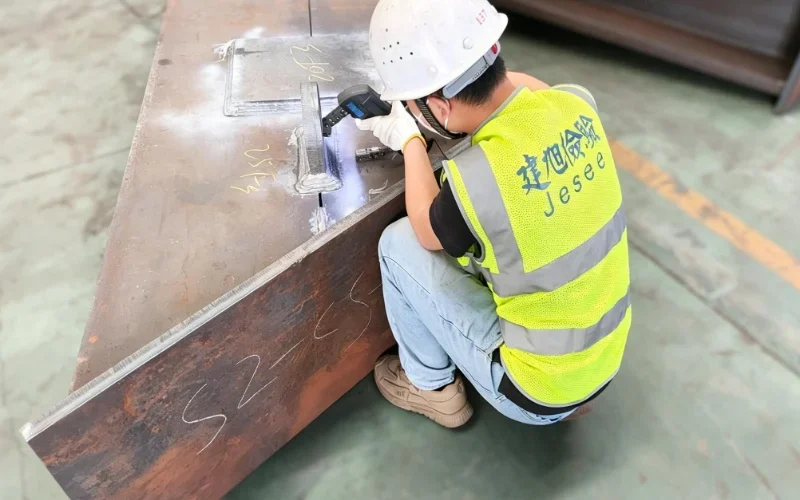
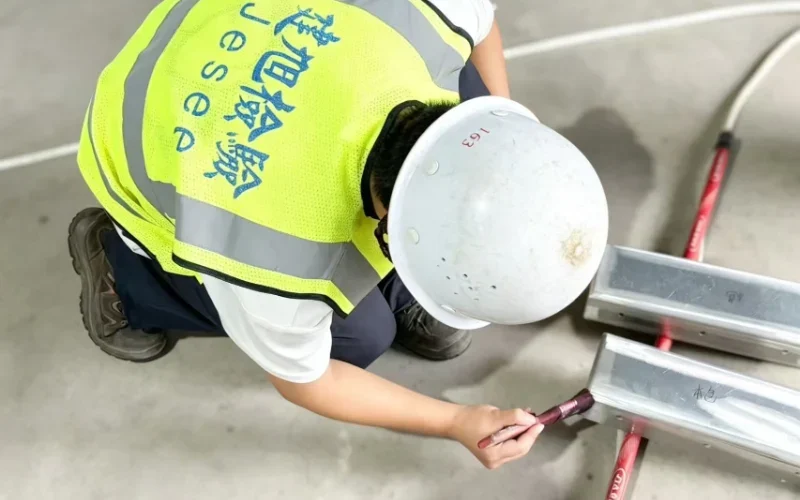
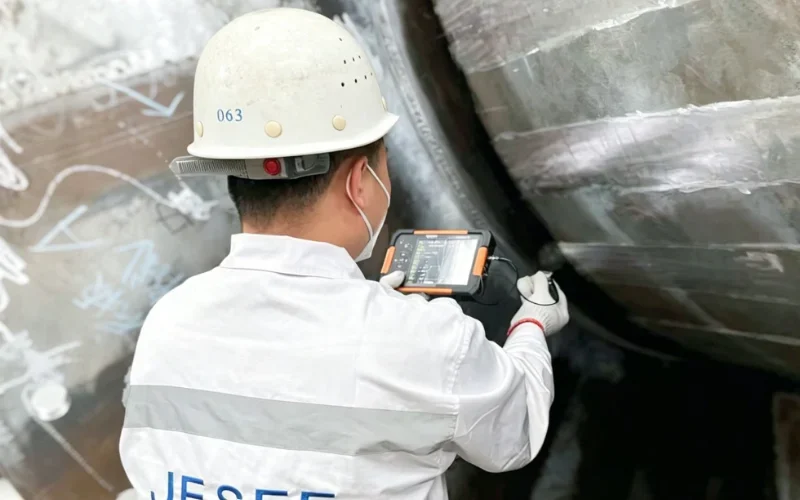
Jesee provides the complete range of non-destructive testing (NDT) services your project needs—from visual inspection to advanced PAUT and TOFD. All services are performed by certified specialists and backed by CNAS and HOKLAS accreditations.
We offer the full spectrum of non-destructive testing methods — from conventional techniques to advanced digital inspection technologies — ensuring the right solution for every application.
The foundation of every inspection programme — systematic visual examination of welds, surfaces and structural components to identify visible defects and workmanship issues.
This method detects surface and near-surface discontinuities in ferromagnetic materials and is widely used for the inspection of welds and heat-affected zones.
This technique is capable of identifying surface-breaking defects on non-porous materials, such as welds, castings, and machined components. Its key advantage is that it is suitable for inspecting both ferromagnetic and non-ferromagnetic materials.

High-frequency sound waves detect internal flaws and measure material thickness — making it a versatile and widely specified method for structural steel and weld inspection.
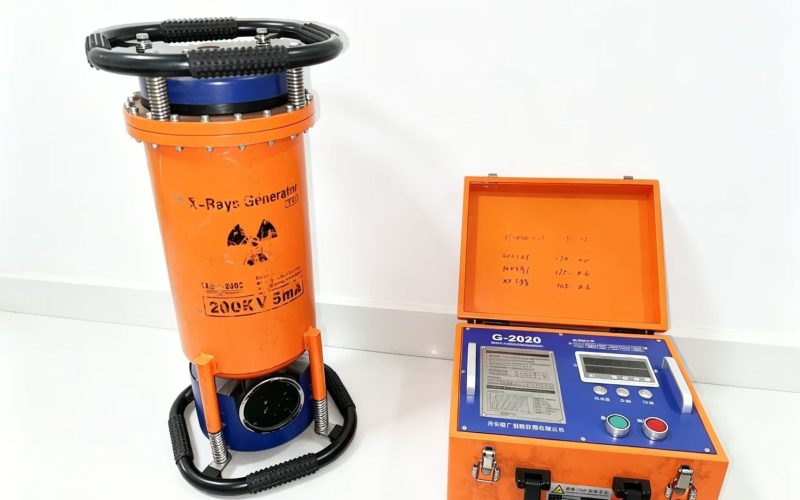
X-ray or gamma-ray imaging provides a permanent visual record of internal weld quality, commonly required for critical joints and pressure-containing components.
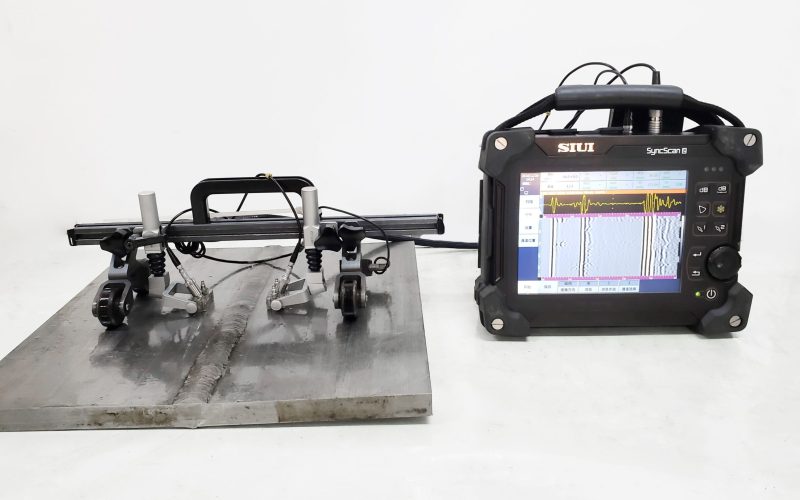
This is an advanced ultrasonic technique that offers highly accurate sizing and positioning of internal weld defects, making it ideal for code-critical and high-integrity applications
This technique delivers faster coverage, superior defect characterisation, and detailed imaging through multi-angle electronic scanning, and is increasingly specified on major structural and infrastructure projects.
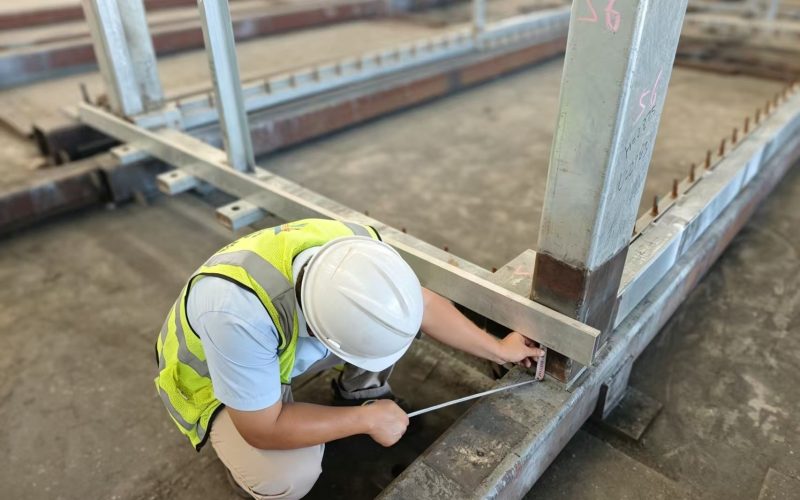
Precise measurement and verification of fabricated steel members against approved drawings, ensuring dimensional compliance prior to delivery and installation.
A clear, structured process from first contact to final report — designed to minimise disruption to your project schedule.
1
We review your project specifications, drawings and applicable standards to determine the most appropriate NDT methods and inspection scope. tetur.
2
Our specialists prepare a detailed inspection and test plan, including method statements and acceptance criteria, aligned with your project requirements.
3
Certified NDT personnel carry out inspection at your fabrication workshop or construction site, using calibrated equipment traceable to national standards.
4
A comprehensive inspection report is issued, complete with findings, images and recommendations — accepted by clients, third-party engineers and authorities.
Talk to our certified inspection specialists today — we’ll recommend the right NDT methods and put together a testing plan tailored to your project.
Results accepted by clients and authorities.
Based in Shenzhen and Hong Kong, ready to deploy at short notice.